Colorado
Enter a City, County, State, or ID8,759 Listings
Colorado Land for Sale
- 1-25 of 8,759 Listings
VIDEOMAP3D TOURS
VIDEOMAP
VIDEOMAP3D TOURS
VIDEOMAP
VIDEOMAP3D TOURS
VIDEOMAP
VIDEOMAP
VIDEOMAP
VIDEOMAP
MAP3D TOURS
MAP
MAP
MAP
VIDEOMAP
MAP
MAP
VIDEOMAP
MAP
VIDEOMAP3D TOURS
VIDEOMAP
VIDEOMAP
VIDEOMAP3D TOURS
Colorado Land for Sale - Rocky Mountain Paradise
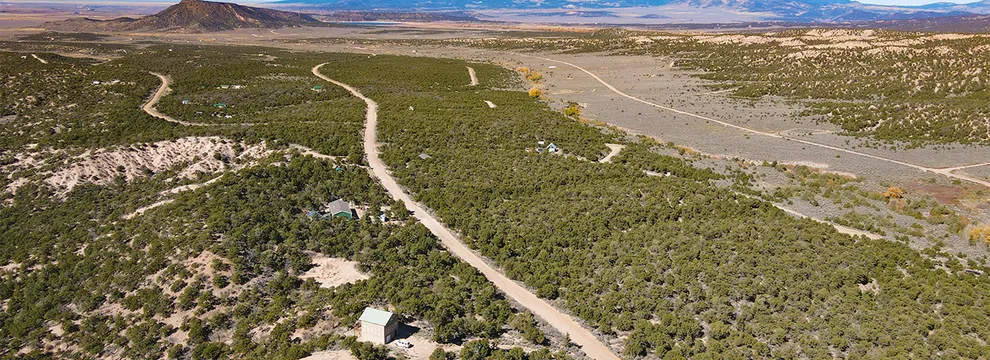
Colorado's dramatic elevation changes and diverse landscapes create exceptional rural land opportunities from the eastern plains to the high country of the Rocky Mountains. The state features everything from productive agricultural land in the northeastern plains and San Luis Valley to mountain recreational properties at elevations exceeding 10,000 feet. The western slope offers ranch land with mountain views, while the front range provides properties with easy access to urban centers yet surrounded by natural beauty.
Mountain properties in Colorado attract buyers seeking recreational retreats with world-class skiing, hiking, fishing, and hunting opportunities in some of America's most scenic landscapes. Many properties feature hunting access for elk, deer, and other big game, while others offer recreational potential with river access and mountain vistas. Agricultural areas support cattle ranching, hay production, and specialty crops, often with spectacular mountain backdrops. LandWatch.com connects buyers with Colorado's diverse rural real estate, from high-country retreats to working ranches. Begin your search and save your preferences to receive notifications when new Colorado properties become available.
Mountain properties in Colorado attract buyers seeking recreational retreats with world-class skiing, hiking, fishing, and hunting opportunities in some of America's most scenic landscapes. Many properties feature hunting access for elk, deer, and other big game, while others offer recreational potential with river access and mountain vistas. Agricultural areas support cattle ranching, hay production, and specialty crops, often with spectacular mountain backdrops. LandWatch.com connects buyers with Colorado's diverse rural real estate, from high-country retreats to working ranches. Begin your search and save your preferences to receive notifications when new Colorado properties become available.
FAQ
What should I know about high-altitude properties in Colorado?
High-elevation properties may have shorter building seasons, snow access challenges, and different building requirements. Consider altitude effects, water systems that won't freeze, and year-round accessibility before purchasing.
Which areas of Colorado are best for agricultural land?
The northeastern plains, San Luis Valley, and North Park regions offer the most productive agricultural land, while the western slope provides excellent ranch land with irrigation potential.
How do water rights work with Colorado rural property?
Colorado follows prior appropriation water law, where water rights are separate from land ownership. Verify all water rights, well permits, and irrigation rights, as these significantly affect property value and usability.
Land Types in Colorado
- Lakefront Property for Sale in Colorado
- Riverfront Property for Sale in Colorado
- Undeveloped Land for Sale in Colorado
- Oceanfront Property for Sale in Colorado
- Hunting Property for Sale in Colorado
- Recreational Property for Sale in Colorado
- Commercial Property for Sale in Colorado
- Horse Property for Sale in Colorado
- Timberland Property for Sale in Colorado
- Homesite for Sale in Colorado
- House for Sale in Colorado
- Farms and Ranches for Sale in Colorado
Land for Sale in Colorado Counties
- Park County, CO Land for Sale
- El Paso County, CO Land for Sale
- Costilla County, CO Land for Sale
- Fremont County, CO Land for Sale
- Weld County, CO Land for Sale
- Larimer County, CO Land for Sale
- Teller County, CO Land for Sale
- Chaffee County, CO Land for Sale
- Custer County, CO Land for Sale
- Pueblo County, CO Land for Sale
- Saguache County, CO Land for Sale
- Rio Grande County, CO Land for Sale
- Las Animas County, CO Land for Sale
- Alamosa County, CO Land for Sale
- Mesa County, CO Land for Sale
- Conejos County, CO Land for Sale
- Huerfano County, CO Land for Sale
- Lake County, CO Land for Sale
- Boulder County, CO Land for Sale
- Pitkin County, CO Land for Sale